Breaking Generational Cycles: How Your Childhood Shapes — But Doesn't Have to Determine — Your Relationship With Your Kids
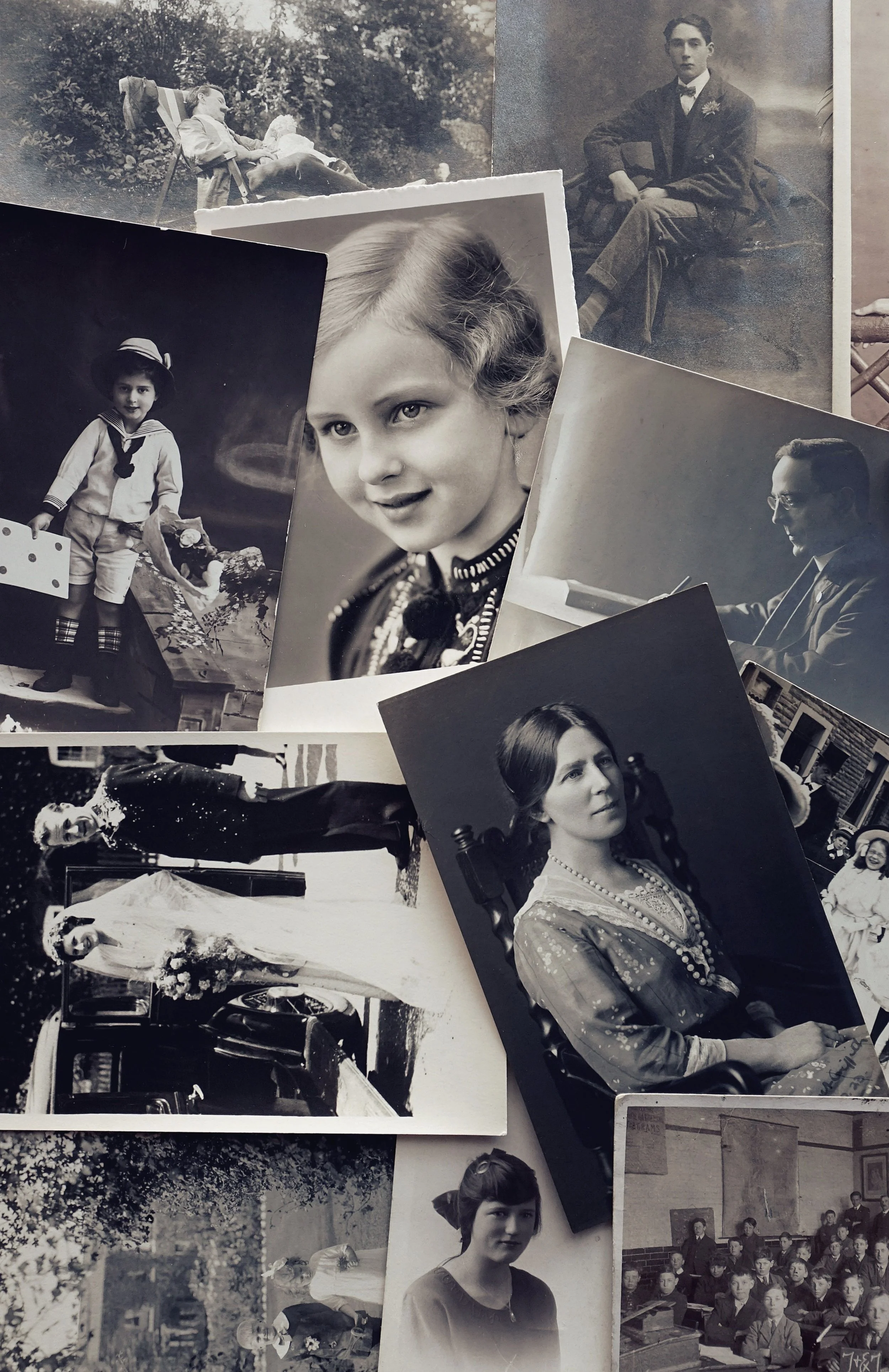
Many parents arrive at this work with some version of the same quiet vow: I'm going to do this differently than my parents did. It's one of the most common — and most difficult — commitments a parent can make, because it requires changing something you never consciously chose in the first place.
Patterns Are Passed Down, Not Predetermined
Families tend to hand down more than looks and habits. They hand down ways of handling conflict, ways of expressing or withholding affection, beliefs about what children owe their parents and what parents owe their children. These patterns pass from one generation to the next largely because they go unexamined — not because they're inevitable.
That's the important distinction: a pattern being generational doesn't make it permanent. It makes it familiar. And familiar is not the same as fixed.
What "Breaking the Cycle" Actually Requires
Breaking a generational pattern requires more than good intentions. It requires first being able to name the pattern clearly — not "my family was strict" in the abstract, but the specific belief or behavior you're trying not to repeat. It requires understanding why that pattern existed in the first place, often as a response to real pressures your parents or grandparents were under. And it requires building something new in its place, because simply refusing to repeat the old pattern, without a plan for what to do instead, tends to leave a vacuum.
This is where the self-reflection work matters most. (If you haven't already, it's worth reading Why Understanding Your Own Story Changes How You Parent, since that awareness is the groundwork this cycle-breaking work stands on.)
The Discomfort of Doing It Differently
Parenting differently than you were parented often comes with a specific kind of discomfort: guilt for not doing it the way your parents did, uncertainty because you're improvising without a model, and sometimes friction with extended family who read your choices as a judgment of theirs. That discomfort is common, and it doesn't mean you're on the wrong path. It often means you're doing something genuinely new, without the reassurance of having seen it done before.
Repair Is Part of the Cycle-Breaking Work
Breaking a cycle doesn't mean becoming a parent who never repeats an old pattern. It means becoming a parent who notices when you have, and repairs it. A snapped response, an old phrase that slipped out, a moment of control instead of connection — these will still happen. What changes the cycle isn't a flawless track record; it's what you do afterward. Going back to your child, naming what happened, and doing something different next time is, itself, the new pattern you're building.
You're the Turning Point
It's a significant thing to be the person in your family line who decides to look honestly at what was passed down to you, and to take responsibility for what gets passed down next. That decision doesn't require you to have all the answers. It requires a willingness to keep examining your own patterns, season after season, relationship after relationship — the same willingness we talk about throughout this whole series, starting with Why Parenting Feels So Hard.
If you're ready to be intentional about the patterns you carry forward — and the ones you don't — this is exactly the kind of work we do together in session.
Schedule a consultation to begin.